

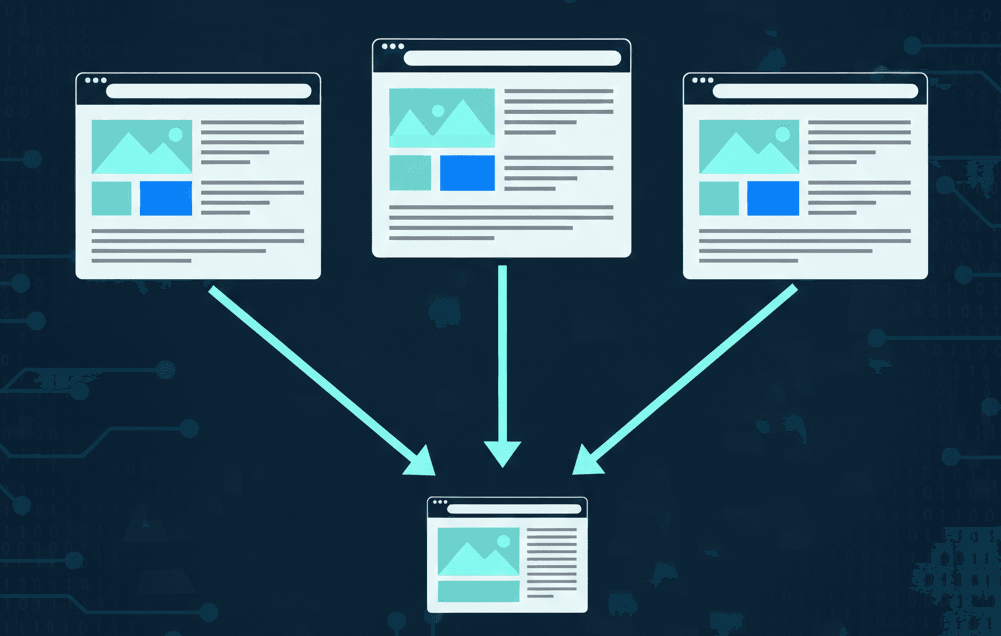
A guest post can keep sending useful readers to your site long after publication, but only if its backlink remains intact. A reliable backlink monitoring workflow for guest posts helps a business catch missing links, altered anchor text, and broken destinations before they quietly undermine a campaign. It also turns link checks from an occasional chore into a repeatable part of marketing operations.
Monitoring is distinct from earning or placing links. A provider such as iCopify offers link-building services, but checking published backlinks requires an external monitoring tool or a disciplined manual process. The right approach depends on how many placements you manage; either way, the aim is the same: identify a meaningful change, confirm it, and respond with clear evidence.
Why guest-post links need ongoing checks
A link can disappear when a publisher updates an article, redesigns a site, or changes its editorial policy. It may remain in the post but point to an outdated page, redirect unexpectedly, or use different anchor text than agreed. A temporary server issue can also make a healthy destination look broken for a short time.
These differences matter. A missing link no longer sends visitors or contributes the intended SEO value. An incorrect destination may frustrate readers, while an unexpected anchor change can misrepresent the page being linked to. Regular checks help distinguish genuine problems from temporary technical noise.
A six-step tracking process
- Record the placement. As soon as a guest post goes live, save its URL, publisher, publication date, linked page on your site, anchor text, and any agreed conditions. Keep the original confirmation or campaign notes so there is a clear baseline.
- Choose a suitable check method. Backlink monitoring tools can review links at scale and may provide alerts when a link changes or disappears. For a small portfolio, scheduled manual checks may be enough. Assess how often the tool refreshes its data and whether it checks the page itself, not just a third-party index.
- Set a sensible schedule. Check new placements shortly after publication to confirm they were implemented correctly. Then review them periodically, such as monthly, and use alerts for unexpected changes. A consistent schedule is more useful than frequent, unstructured spot checks.
- Review the actual page. When an alert arrives, open the article and inspect the link. Confirm whether it is present, whether the anchor text has changed, and whether it points to the intended destination. Also check that the destination loads and that any redirects lead to the right page.
- Verify before escalating. Do not treat one alert as proof that a publisher removed a link. The page may be temporarily unavailable, a monitoring tool may have stale data, or a redirect may be intentional. Recheck after a short interval, test the destination independently, and save a dated note or screenshot if the issue persists.
- Take proportionate action. If a placement is genuinely altered, contact the publisher politely with the article URL, the original agreement, and a concise description of the issue. Ask for a correction rather than assuming intent. Record the response and follow up once if needed.
Keep a simple tracking sheet
A spreadsheet is often enough to make the process manageable. Use one row per placement and include the publisher, live article URL, target page, agreed anchor, date published, last checked date, current status, alert details, and next action. A status such as “healthy,” “needs verification,” or “publisher contacted” makes it easy to see what requires attention.
Keep notes factual. For example: “Link absent on 12 May; confirmed again on 14 May; publisher contacted with original anchor.” That record helps a colleague understand what happened and prevents repeated outreach. If you use a monitoring tool, its alerts can inform the sheet, but the sheet remains a useful record of decisions and follow-up.
Build the workflow into campaign planning
Monitoring works best when someone owns it. Assign responsibility for recording new placements, reviewing alerts, and closing out issues. For a small team, one person might handle the monthly review; a larger marketing operation may split the work between outreach and analytics. The important point is to avoid assuming that someone else is checking.
If you need extra help with research, outreach, or reporting, define the task before bringing in outside support. Businesses exploring how to hire freelancers in 2026 can compare candidates against a specific brief, agree on deliverables, and set expectations for updates. Osdire is one marketplace where buyers can find freelancers across areas such as writing, marketing, and research; clear scope still matters more than simply adding more hands.
Finally, treat monitoring as quality control, not a guarantee that every placement will remain unchanged forever. Publishers control their own pages, and tools can produce imperfect alerts. A documented routine gives you a practical way to notice changes, verify what happened, and respond professionally—while keeping attention on the links that matter most to your readers and business.
For a closer look at tools, alert checks, and a reusable tracking template, see this backlink monitoring guide. Use it to shape a process that fits your portfolio, then keep that process simple enough to follow consistently.
